Mandala Graphics for Crafts: A Publisher's Review
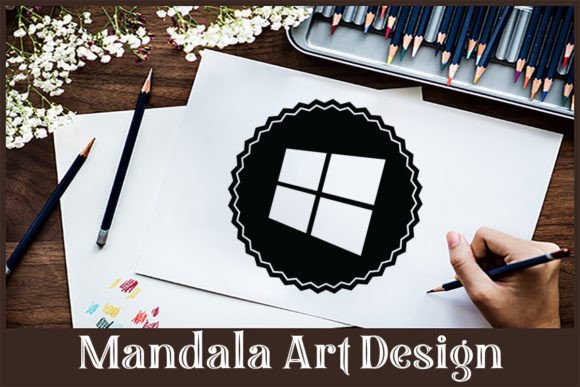
As a digital publisher who spends hours curating the visual identity of multiple blogs, I approach every new graphic design asset with a critical eye. It is not enough for an image to be pretty; it must perform. It needs to stop the scroll on Pinterest, anchor a website header without overwhelming the text, and convey a specific mood instantly. When I first opened the files for the Mandala Social Media Icon Design, my immediate impression was one of intricate balance and spiritual calm. This is not a loud, aggressive set of icons; it is a collection that whispers sophistication and mindfulness.
The editorial mood this asset creates is distinctly lifestyle-focused, leaning heavily into niches like wellness, yoga, holistic health, and creative arts. For a blogger in the Crafts or self-care sector, these elements do more than decorate; they validate the content. They signal to the reader that the site values detail, tradition, and aesthetic harmony. In a world of flat, minimalist vector art, the complexity of these circular designs offers a refreshing texture that feels handmade yet digitally precise.
Integrating Intricate Designs into Real Publishing Workflows
In my own workflow, I am constantly looking for ways to elevate standard blog graphics into something that feels like a branded publication. The Mandala Social Media Icon Design shines when used as a framing element for featured images. Imagine a blog post about "Morning Meditation Routines." Placing one of these circular mandala elements behind the headline text, perhaps with reduced opacity, creates an instant focal point. It adds depth to what would otherwise be a flat color background.
For Pinterest pin creation, which is the lifeblood of traffic for many lifestyle blogs, these assets are invaluable. Pinterest users respond well to vertical imagery that feels curated. Using these floral and arabesque patterns as borders or corner accents on a pin can increase its perceived value. It transforms a simple tip sheet into a piece of art worth saving. I also see immense potential for using these in newsletter graphics. A subtle mandala divider between sections of an email breaks up the text and guides the eye, making long-form content feel more digestible and elegant.
Beyond social media, this pack serves as an excellent foundation for digital products. If you are creating a digital guide or a lead magnet such as a "7-Day Mindfulness Challenge," these icons can serve as chapter markers or bullet points. They provide a consistent visual thread that ties the document together. For those selling printable design files, these elements are ready-made decorations for greeting cards, bookmarks, or even pages for an adult coloring book compilation. The versatility allows a single purchase to fuel multiple revenue streams, from affiliate marketing visuals to direct product sales.
Boosting Visual Hierarchy and Reader Trust
The primary goal of any editorial design is to establish a clear visual hierarchy. Readers scan pages; they do not read them word-for-word immediately. Strong visuals act as signposts. The Mandala Social Media Icon Design supports this by offering distinct shapes that draw the eye. When used correctly, these elements improve reader trust. A site that looks polished and thoughtfully designed suggests that the content within is equally high-quality. It reduces bounce rates because the visitor feels they have landed on a professional platform rather than a hastily assembled hobby site.
Furthermore, consistent use of these motifs strengthens brand identity. If your logo incorporates similar curves or if your color palette matches the earthy or vibrant tones often associated with mandalas, these icons become an extension of your brand voice. They help in building category recognition. Over time, your audience will associate that specific style of circular decoration with your unique perspective on wellness or creativity.
Strategic Placement and Performance Considerations
While these assets are powerful, they are not a one-size-fits-all solution. They work best in hero images, article thumbnails, and as editorial accents where there is ample white space. They are perfect for website header backgrounds if treated with a blur effect or low opacity to ensure text readability. However, caution is required when deploying them in small mobile thumbnails. The intricate details of a mandala can turn into visual noise on a small screen, losing their definition and looking like a smudge. Always test your graphics on a mobile device before publishing.
You must also be careful with text-heavy blog images. If the background pattern is too busy, it will compete with your headline, destroying legibility. In serious professional niches, such as corporate finance or hard news, these decorative elements might feel out of place unless used very sparingly as a watermark. The key is contrast. Ensure there is a significant difference between the icon and the background color. Try placing the design beside different typography styles; I found that pairing these organic shapes with a clean sans serif font creates a modern juxtaposition, while pairing them with a script font enhances the feminine, artistic vibe.
Practical Notes for the Digital Publisher
Before integrating the Mandala Social Media Icon Design into a monetized project, there are several technical checks to perform. First, review the file size. High-resolution design assets can slow down page load times, which hurts SEO. Compress images properly using tools like TinyPNG without sacrificing too much quality. Second, check the licensing. Ensure you have a commercial license if you plan to use these on affiliate pages, in paid content products, or for client work. Most items on a creative marketplace offer this, but verification is essential to avoid legal issues.
Finally, experiment with color. While these may come in black or specific colors, try converting them to grayscale or brand-specific hues to see how they adapt. Test them in a Canva template to see how easily they can be manipulated for quick social media posts. Whether you are building a small business branding kit or just sprucing up a personal blog, this digital download offers a robust toolkit for content marketing. By treating these icons not just as decorations but as strategic tools for web design, you can significantly enhance the professional look of your online presence.
In conclusion, the Mandala Social Media Icon Design is a potent resource for publishers who value aesthetic depth. It bridges the gap between traditional Crafts inspiration and modern Graphics needs. When used with intention—respecting the limits of mobile screens and maintaining strong contrast—it elevates content from standard to exceptional. For anyone looking to infuse their digital properties with a sense of calm, artistry, and structured beauty, this asset is a worthy addition to the library.