Hello Autumn Illustration: A Designer's Review for Stitchers
As a designer who spends more time staring at stitch maps than most people care to admit, I approach new digital embroidery file acquisitions with a healthy dose of skepticism. We have all been there: you buy a cute graphic online, load it onto your machine, and realize halfway through that the density is too high for a baby onesie or the details are too fine for a textured towel. That is why I took a close look at the Hello Autumn Illustration before committing it to any client work or personal embroidery project. This isn't just about whether the image looks good on a screen; it is about how those vectors translate into thread, fabric, and ultimately, a finished product that holds up in the real world.
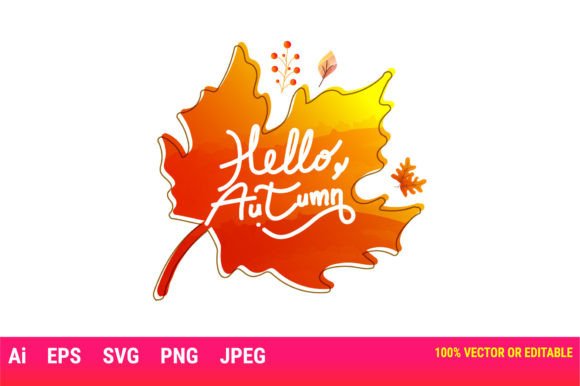
The first thing that strikes me about this design is its mood. It captures that cozy, nostalgic feeling of the season without relying on clichés. The layout feels balanced, with a visual personality that suggests warmth and playfulness. For those of us creating handmade products, the vibe is everything. When a customer sees an item, they react to the emotion it evokes before they even touch the stitching. This illustration has a charm that fits perfectly into the current trend of whimsical, hand-drawn aesthetics. However, as an experienced reviewer, I know that "cute" on a monitor does not always mean "stitchable" on a hoop. The description notes it is a vector format, which is excellent news for scalability, but we need to dig deeper into how this behaves under the needle.
Real-World Application: The Tote Bag Test
To truly evaluate the Hello Autumn Illustration, I imagined a specific scenario that many of us face during the fall rush: preparing a custom order for a local boutique. The client wanted a run of canvas tote bag design items for their harvest market stall. This is a perfect use case because tote bags offer a stable, flat surface that can handle a variety of stitch types.
In this context, the design shines. The shapes are distinct enough to be rendered clearly in a fill stitch or potentially a clean satin stitch depending on how you digitize the final output from the vector source. Because the illustration is described as having high quality and resolution, the transition from the digital asset to the physical stitch should remain crisp. For an Etsy seller or small shop owner, consistency is key. If you are making ten bags, you need the design to look identical on every single one. The clarity of this graphic suggests it would maintain its integrity across a production run, provided your tension and stabilizer choices are on point.
Beyond tote bags, I can see this working beautifully as sweatshirt embroidery. Fall is synonymous with layering, and a cozy crewneck featuring this illustration would be a bestseller. The cartoon style lends itself well to the slightly heavier texture of fleece or French terry cloth. However, this is where a designer must exercise caution. Thick fabrics can sometimes swallow up fine details. Before stitching a full batch, I would strongly advise running a test on a scrap piece of the exact same fabric you plan to sell. Check how the thread colors contrast against the garment. A dark navy sweatshirt might require a slight adjustment in the outline thickness to ensure the autumn elements pop rather than get lost in the nap of the fabric.
Navigating Fabric Textures and Hoop Limitations
While the Hello Autumn Illustration is versatile, it is not a one-size-fits-all solution for every surface. As part of the Icons and Graphics category, it likely features defined lines and solid areas, but we must consider where it might struggle. For instance, if you are attempting to place this on a curved surface like a cap, the distortion could be problematic depending on the width of the design. Caps require careful positioning, and wide illustrations often need to be split or significantly resized to fit within a standard cap frame without puckering.
Similarly, be wary of using this on very thin or stretchy fabrics without the proper support. If you are doing baby embroidery on a delicate muslin swaddle, the stitch density becomes a critical factor. Even though the source file is a ready-to-use vector, the resulting machine code needs to be light enough not to weigh down the fabric or cause irritation against sensitive skin. In these cases, considering an applique design approach might be smarter. You could use the illustration as a cut guide, applying a soft fabric backing and using a simple running stitch or narrow satin border to secure it. This reduces the amount of thread buildup while keeping the adorable aesthetic intact.
Another consideration is the hoop size. If you are working with a smaller 4x4 hoop, you may need to scale the design down significantly. When shrinking detailed graphics, tiny corners and intricate intersections can become muddy. Always inspect the preview on your machine software. If the details look like they are merging together, it is better to move to a larger hoop or choose a different product, such as a pillow cover or kitchen towel, where you have more real estate to work with.
Commercial Value and Brand Consistency
For creative entrepreneurs, the bottom line is whether a design adds value to your brand. The Hello Autumn Illustration has the potential to elevate a small shop product from generic to giftable. In the world of commercial embroidery, customers pay for professionalism. A design that stitches out cleanly, with no bird nests or skipped stitches, builds trust. If you are selling these as personalized gifts or holiday items, the perceived quality directly impacts your reviews and repeat business.
This graphic works particularly well for seasonal branding. Imagine using it on aprons for a baking class or as a logo accent on packaging for a fall-themed subscription box. The versatility allows it to serve as both a standalone decorative element and part of a larger branding suite. However, before listing items for sale, you must verify the licensing terms. The product description mentions it is ready to use, but does that extend to commercial resale of the physical stitched item? Always confirm whether the license covers craft business usage to avoid any legal headaches down the road. Most reputable designers allow finished goods sales, but restrictions on reselling the digital file itself are standard.
Final Verdict and Practical Tips
After evaluating the Hello Autumn Illustration through the lens of practical application, my verdict is positive, with conditions. It is a strong contender for fall collections, especially for stable fabrics like cotton twill, canvas, and medium-weight knits. To get the best results, follow these steps:
- Test First: Never skip the scrap fabric test. Stitch the design on the actual material you intend to use to check for puckering or registration issues.
- Check Contrast: View your mockups in black and white. If the design loses its definition without color, you may need to adjust your thread palette or add outlining.
- Stabilizer Matters: Match your stabilizer to the fabric. Use cut-away for stretchy garments and tear-away for stable wovens to ensure the embroidery file performs as intended.
- Review Details: Zoom in on the smallest elements of the design. If they are thinner than your needle can comfortably stitch, simplify the digitizing or increase the size.
- Verify Licensing: Double-check the terms regarding commercial use to ensure you are cleared to sell your custom apparel or accessories.
In conclusion, this illustration is a valuable addition to your library of design assets. It offers the kind of flexible, high-quality foundation that allows you to create everything from holiday embroidery gifts to boutique merchandise. With the right preparation and attention to fabric choice, the Hello Autumn Illustration can help you deliver professional, eye-catching results that your customers will love. Just remember, the magic happens not in the download, but in the thoughtful execution of the stitch.