Horse Vintage Illustration Vector: A Designer's Review
As someone who spends hours digitizing and stitching designs for clients, I know that not every graphic translates well into thread. When I first encountered the Horse Vintage Illustration Vector, my initial reaction was one of aesthetic appreciation. The hand-drawn quality suggests a nostalgia that is currently very popular in boutique apparel and home decor. However, moving from a screen to a hoop requires a critical eye. This review breaks down how this specific set of Illustrations and Graphics performs when subjected to the realities of machine embroidery, helping you decide if it fits your next craft business project.
The Aesthetic Appeal and First Impressions
The mood created by the Horse Vintage Illustration Vector is unmistakably rustic and timeless. In a market saturated with hyper-realistic or overly cartoonish designs, there is a refreshing authenticity to these hand-drawn lines. For an embroidery designer, the visual personality of a file dictates its placement. These vectors feel at home on natural fibers like linen, canvas, or heavy cotton. They evoke a sense of heritage, making them ideal for projects where the story behind the item is just as important as the item itself.
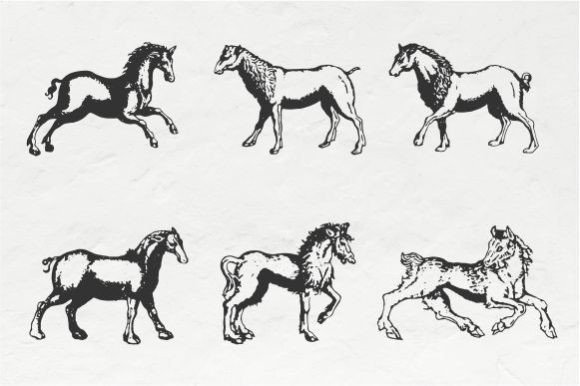
The layout of the six included designs offers versatility. Whether you are looking for a solitary emblem for a pocket or a cluster for a larger back panel, the variety allows for creative composition. The detail level appears moderate, which is crucial. Too much detail in a vintage style can result in a muddy stitch-out, while too little loses the charm. From a preview standpoint, these Graphics strike a balance that suggests they will clean up well under the needle, provided the digitizing matches the vector's intent.
Real-World Application: The Custom Tote Bag Scenario
To truly evaluate the Horse Vintage Illustration Vector, I envisioned a specific real-life scenario: creating a line of custom tote bags for a local farmer's market vendor. The goal was to produce a handmade product that felt premium yet durable. I selected one of the horse illustrations to serve as the central logo on a heavy-duty canvas bag.
In this context, the design shines. The vintage aesthetic complements the organic feel of the canvas. When stitched, the lines of the horse would likely require a combination of running stitch for the finer details and a light fill stitch for any shaded areas to maintain that sketched look. For a tote bag design, clarity is key. Customers browsing a stall need to recognize the image from a few feet away. The strong silhouettes in this vector set ensure that the finished product remains legible even with the texture of the fabric interfering slightly with the thread.
This same logic applies to sweatshirt embroidery. Imagine a crewneck sweatshirt in heather grey. Placing one of these horses on the chest creates an instant "heritage brand" vibe. It elevates a basic garment into a small shop product that commands a higher price point. The design does not scream for attention; rather, it invites a closer look, which builds customer trust and perceived value.
Navigating Fabric Challenges and Stitch Density
While the visual appeal is high, practical application requires caution. Not all fabrics play nice with intricate Illustrations. If you plan to use the Horse Vintage Illustration Vector on textured fabrics like waffle knit or thick terrycloth, you must consider the stitch density. Vintage styles often rely on broken lines or stippling effects. On a high-pile fabric, these fine details can get lost or cause the thread to sink.
Furthermore, stretchy fabrics present a unique challenge. If you are attempting baby embroidery on a soft onesie, the stability of the design is paramount. A vintage sketch style might lack the solid underlay needed for high-stretch areas unless properly digitized. In such cases, using a cut-away stabilizer is non-negotiable to prevent distortion after washing. Similarly, curved surfaces like caps require careful hoop placement. The arch of a cap can distort the proportions of the horse, making it look stretched. Always test the design on a scrap piece of the actual material before committing to the final embroidery project.
Dark fabrics also demand attention to thread colors. The vintage palette often includes muted tones. If you stitch a sepia-toned horse onto a navy blue shirt without a white underlay or sufficient contrast, the design will vanish. Conversely, using bright white thread on black fabric can make the vintage lines look too harsh and modern, losing the intended softness. Testing the design in black and white mockups is a smart step to gauge contrast before pulling out the thread spools.
Commercial Viability for Etsy Sellers and Makers
For the Etsy seller or creative entrepreneur, the Horse Vintage Illustration Vector represents more than just a pretty picture; it is a potential revenue stream. These Graphics are perfectly suited for commercial embroidery projects. They fit seamlessly into niches like equestrian lovers, farmhouse decor, and western-themed events.
Consider the application for an embroidered patch. Patches are incredibly popular right now, and the clean lines of these vectors would translate beautifully into a merrowed edge patch. This adds a layer of professionalism to jackets or backpacks. Additionally, for those selling digital products, these vectors can be used to create printable mockups that showcase your embroidery services, helping buyers visualize the final result on custom apparel or home goods like pillow covers and tea towels.
However, a crucial note on licensing: since the product description mentions usage for die cuts, Cricut, and laser printers, it is vital to confirm the specific terms for machine embroidery design usage. Ensure that converting these SVGs into an embroidery file for resale or commercial stitching is permitted. Never assume; always verify the license to protect your craft business.
Final Verdict and Designer Notes
The Horse Vintage Illustration Vector is a strong contender for designers looking to add character to their portfolio. Its strength lies in its versatility and emotional resonance. It works exceptionally well for holiday embroidery gifts, wedding favors, and boutique branding where a personal touch is required. The design assets offer a solid foundation for creating unique personalized gifts that stand out in a crowded marketplace.
Before you begin stitching, keep these practical tips in mind:
- Test First: Always stitch a sample on scrap fabric identical to your final material to check for puckering or registration issues.
- Check Details: Inspect small corners and thin lines. If they are too fine for your machine's needle size, you may need to simplify the vector before digitizing.
- Stabilizer Choice: Match your stabilizer to the fabric weight. Heavy canvases need less support than lightweight linens or knits.
- Color Contrast: Ensure your thread choices pop against the background fabric to maintain the vintage clarity.
- Licensing: Double-check the allowed uses for commercial sales of finished items versus digital files.
In conclusion, if you are looking to enhance your design assets with something that feels both classic and fresh, this vector set is worth the investment. With the right preparation and an understanding of how vector lines translate to satin stitch or fill patterns, the Horse Vintage Illustration Vector can become a staple in your production workflow, delivering high-quality results that customers will love.