Oil Painting of Flowers Bouquet: A Designer's Review
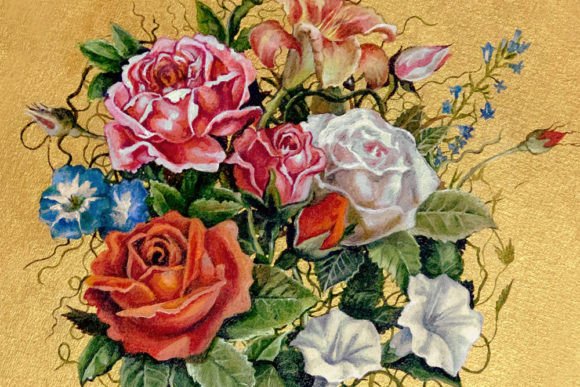
As a designer who spends more time staring at stitch maps than actual flowers, I approach every new machine embroidery design with a mix of excitement and skepticism. When I first encountered the Oil Painting of Flowers Bouquet, my initial reaction wasn't about the digital file itself, but rather the mood it evokes. This isn't just another clip-art style graphic; it carries the weight and texture of a hand-painted original. The description notes that the source material was hand-painted in oil paints, and that artistic heritage translates surprisingly well into the realm of Illustrations and Graphics intended for stitching. However, translating an oil painting's soft blends into the rigid geometry of thread requires a critical eye. Here is my practical assessment of how this design holds up when moved from the screen to the hoop.
The Visual Personality and First Impressions
The first thing that strikes me about the Oil Painting of Flowers Bouquet is its organic layout. Unlike many sterile, vector-based floral designs that feel too perfect, this piece embraces a certain chaotic beauty typical of impressionist art. The shapes are fluid, and the theme suggests a vintage or cottage-core aesthetic that is currently dominating the handmade market. For an embroidery project, this visual personality is a double-edged sword. On one hand, it offers a unique, high-end look that separates your handmade product from the sea of generic items on Etsy. On the other hand, the lack of hard outlines means the success of the stitch-out relies heavily on how the digitizer handled the transition between color blocks.
When evaluating the detail level, I look for how the "brushstrokes" of the original painting have been interpreted into satin stitch, fill stitch, or running stitch. In a design like this, we want to see long, flowing satin columns that mimic the sweep of a paintbrush, rather than choppy, pixelated fills that destroy the illusion of art. If the digitization is done well, the thread colors should blend optically from a distance, creating depth without requiring thousands of trims and jumps.
Real-World Application: The Boutique Tote Bag Scenario
To truly test the viability of the Oil Painting of Flowers Bouquet, let's imagine a real-life scenario. Suppose you are a small shop owner preparing a limited run of canvas tote bags for a spring collection. You want something that feels artistic and expensive, not like a promotional giveaway. This design fits that brief perfectly. Placed centrally on a natural or cream-colored canvas, the floral bouquet becomes the focal point, elevating a simple bag into a piece of wearable art.
In this context, the design acts as a powerful tool for brand consistency. If your brand focuses on nature, artistry, or slow living, this graphic reinforces that message instantly. Customers browsing an Etsy seller's shop are drawn to items that look like they took time to create. The "oil painting" vibe suggests a level of craftsmanship that justifies a higher price point. Whether used for a personalized gift or a small shop product, the emotional resonance of the image can drive buyer engagement far better than a standard geometric pattern.
Versatility Across Different Products
Beyond tote bags, where else does this design shine? I see strong potential in sweatshirt embroidery. A large hoop placement on the back of a crewneck, or a smaller pocket placement on a fleece jacket, works beautifully with the soft edges of this bouquet. It also translates well to home decor items like pillow covers or kitchen tea towels, where the rustic charm of an oil painting complements linen or cotton textures.
For those in the craft business looking to expand into commercial embroidery, this design could be adapted for embroidered patch production. The dense floral arrangement provides enough surface area to create a sturdy, merrow-edge patch that customers can iron onto denim jackets or backpacks. Even in the realm of baby embroidery, if the color palette is softened to pastels, this bouquet could adorn a nursery blanket or a christening gown, offering a timeless look that doesn't feel overly juvenile.
Critical Considerations for Stitching Success
While the aesthetic appeal is high, we must discuss the technical realities. An oil painting style often implies subtle gradients and complex shading. In embroidery, we cannot simply "fade" thread colors; we must use distinct blocks of color. Therefore, you need to be extremely careful with stitch density. If the design is too dense, especially in the center of the bouquet where petals overlap, you risk creating a stiff, cardboard-like spot on your fabric. This is particularly problematic on stretchy fabric like jersey knits or thin materials like silk.
Before committing to a production run, you must test the design on scrap fabric that matches your final product. Pay close attention to the hoop size required. Floral bouquets can be wide, and if you are working with a standard machine, you might need to re-hoop or use a larger frame, which introduces alignment risks. Additionally, consider the stabilizer choice. For a design with this much coverage, a cut-away stabilizer is often safer than tear-away to prevent distortion over time, especially if the finished product will be washed frequently.
There are specific situations where you should use the Oil Painting of Flowers Bouquet with caution. Avoid placing it on highly textured fabrics like thick terry cloth or coarse burlap unless you are certain the stitch count can cover the underlying texture; otherwise, the fabric will peek through and ruin the painterly effect. Similarly, be wary of using this on dark fabrics if the design relies on light thread colors without an underlay strategy, as the background can mute the vibrancy of the flowers.
Enhancing Value and Professionalism
Ultimately, the goal of using a premium digital embroidery file like this is to enhance the perceived value of your work. When a customer sees a crisp, well-stitched floral bouquet that retains the soul of an oil painting, it builds customer trust. It signals that you care about the details. This attention to quality improves your printable mockup presentations and makes your physical inventory stand out at craft fairs.
However, professionalism also means doing your due diligence. Since the product description mentions this is originally a painting intended for printing and illustration, you must verify the licensing terms before selling. Does the purchase include rights for commercial embroidery? Can you sell the finished product indefinitely? These are questions you must answer before listing items in your store. Never assume a design labeled as "Graphics" or "Illustrations" automatically grants unlimited commercial embroidery rights.
Final Verdict and Designer Notes
The Oil Painting of Flowers Bouquet is a compelling asset for designers who want to move away from cartoonish or overly modern styles. Its strength lies in its ability to bring a classic, artistic feel to modern substrates. To get the best results, I recommend reviewing the stitch sequence carefully. Look for unnecessary jumps that might clutter the back of the garment, and check if the small details in the petals are large enough to stitch out cleanly on your specific machine.
- Test First: Always stitch a sample on the exact fabric you plan to use. What looks good on twill might pucker on cotton.
- Check Contrast: Ensure the thread colors provide enough contrast against your chosen fabric background.
- Review Density: If the center feels too heavy, consider editing the fill density in your software if you have the skills.
- Confirm Licensing: Double-check the license agreement regarding resale of finished goods versus digital assets.
- Mockup Variety: Create black and white mockups to ensure the design holds its shape even without color reliance.
In conclusion, if you are looking to add a touch of elegance to your custom apparel or holiday embroidery lineup, this design is worth the investment. Just remember that the magic happens not just in the download, but in the thoughtful execution of the stitch. Treat it with the respect of a fine art piece, and your customers will treat your products with the same appreciation.